
Syosset, Long Island · Since 1962

A Long Island music school where every child plays in the orchestra

The Children's Orchestra Society teaches children ages 3 to 18 through five orchestras, chamber music and musicianship classes, every Saturday in Syosset. Beginners join an ensemble on their first Saturday.
Herald Long Island Choice Awards 2022 winner badge

Winner, Best Music School/Classes, 2022 Herald Long Island Choice Awards
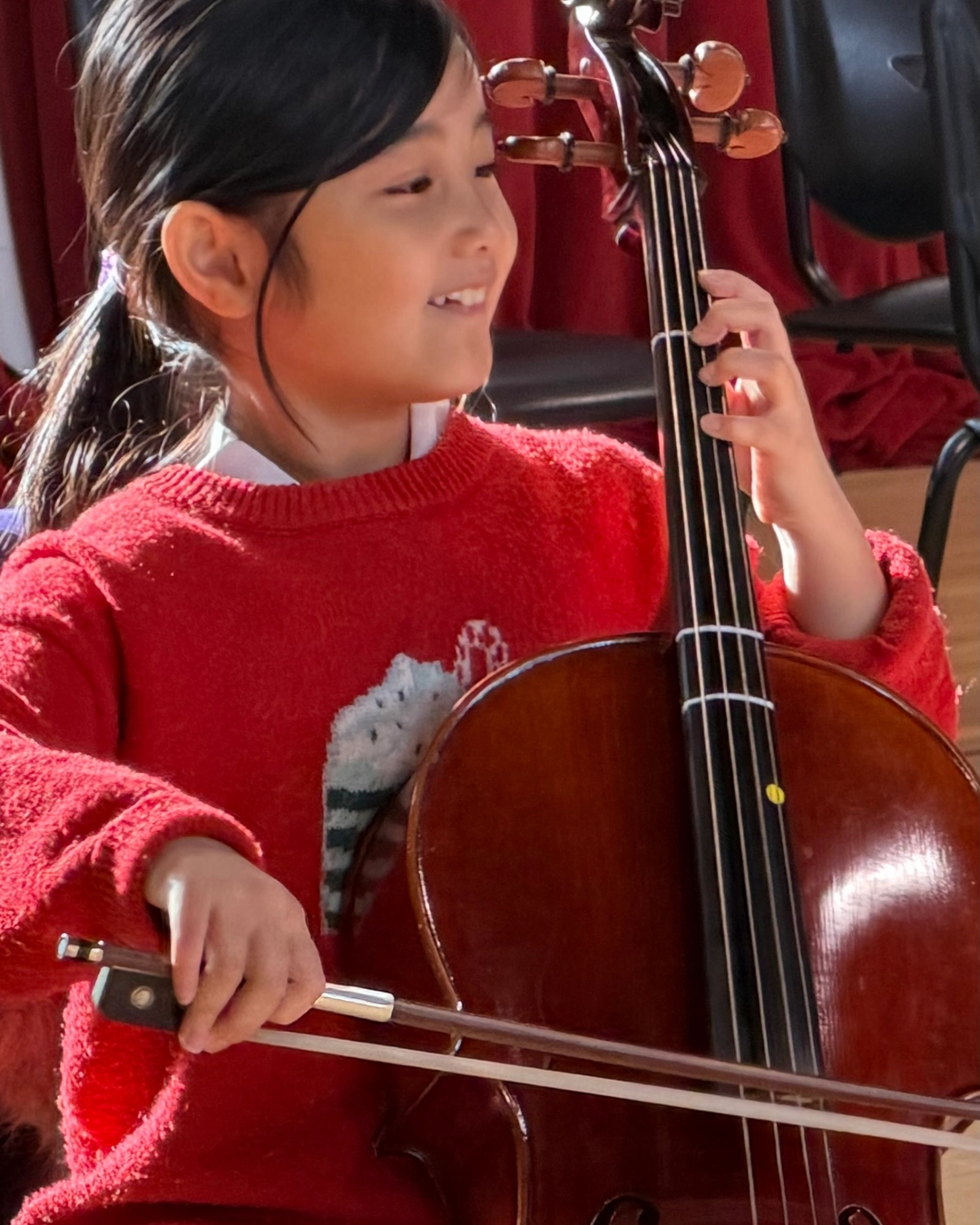
Young COS cellist smiling as she plays
Ages 3 to 18
Pre-Kinder through the Majors Program
57 years
Of teaching since 1962, counting H.T. Ma's founding era and the 1984 restart
32 seasons
Of concerts at Alice Tully Hall, Lincoln Center
100%
Of graduates COS tracked from 1984 to 2025 went on to college
About COS

What is the Children's Orchestra Society?

The Children's Orchestra Society (COS) is a nonprofit music school and youth orchestra in Syosset, New York, for children ages 3 to 18. Dr. Hiao-Tsiun Ma founded it in 1962. Students are placed by audition in one of five orchestras and add chamber music and musicianship classes, all on Saturdays at the Community Church of Syosset.
Dr. Ma's first students were his own children, Yeou-Cheng and Yo-Yo Ma. Dr. Yeou-Cheng Ma restarted the orchestra with Music Director Michael Dadap in 1984, and the two of them still run it.
In April 2023, COS received the 2022 Herald Long Island Choice Award for Best Music School/Classes.
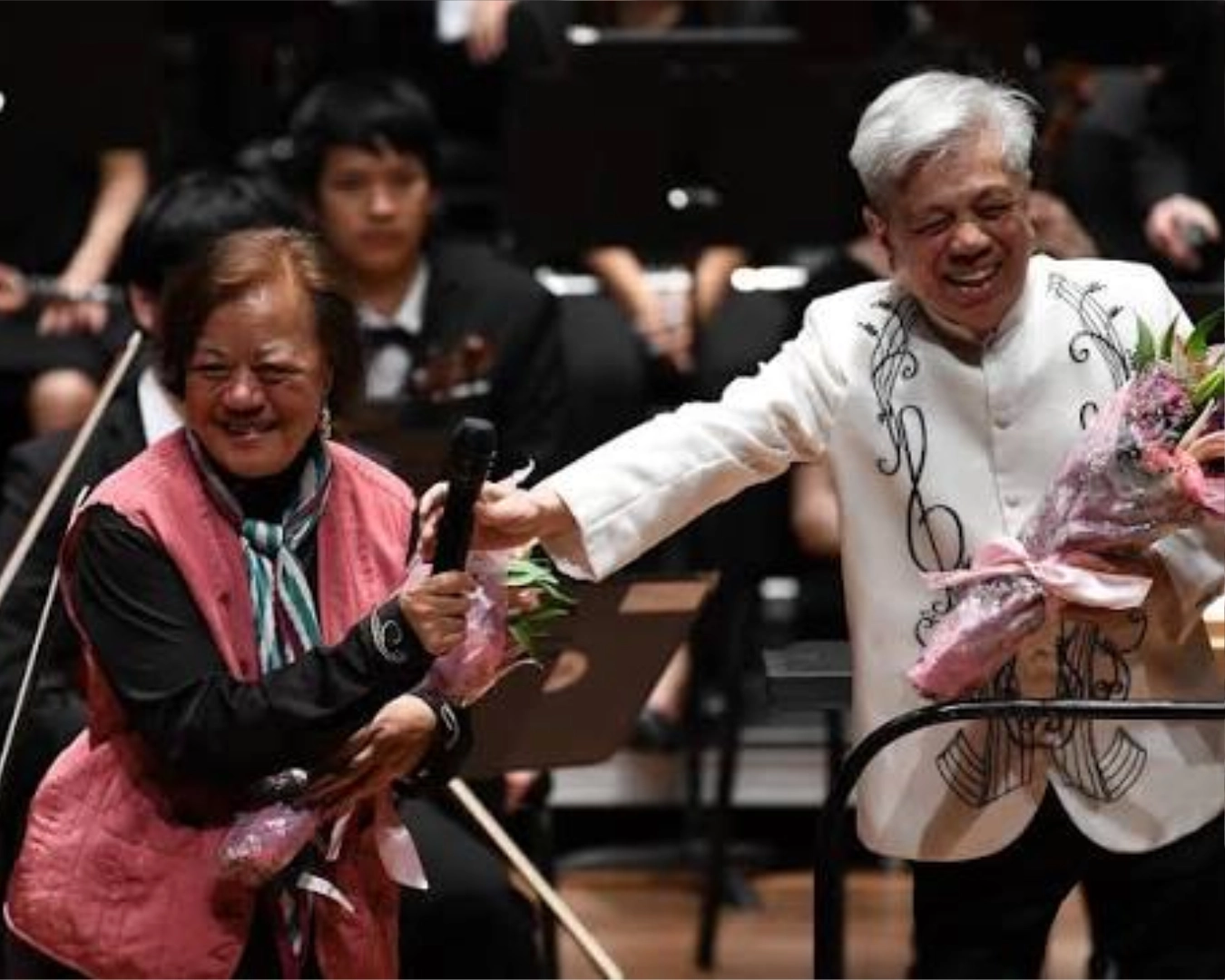
Dr. Yeou-Cheng Ma and Music Director Michael Dadap on stage after a COS concert
Dr. Yeou-Cheng Ma and Michael Dadap, who have led COS since 1984.
Music is a language. Very few children cannot learn a language.
Dr. Yeou-Cheng Ma, Executive Director
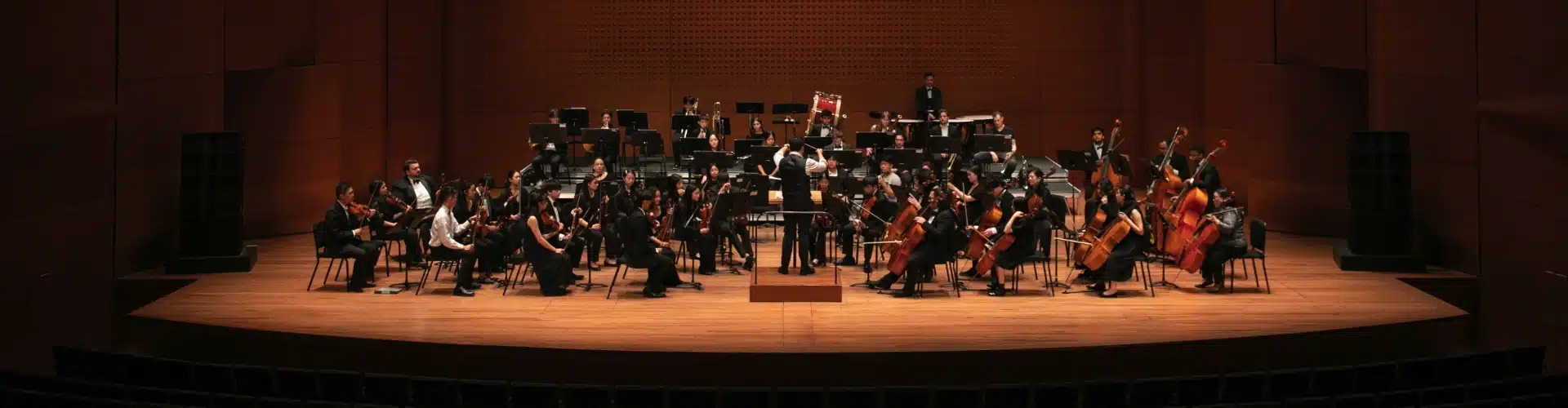
The COS Young Symphonic Ensemble on stage at Alice Tully Hall, Lincoln Center
The Young Symphonic Ensemble on stage at Alice Tully Hall, Lincoln Center, where it has performed for 32 seasons.
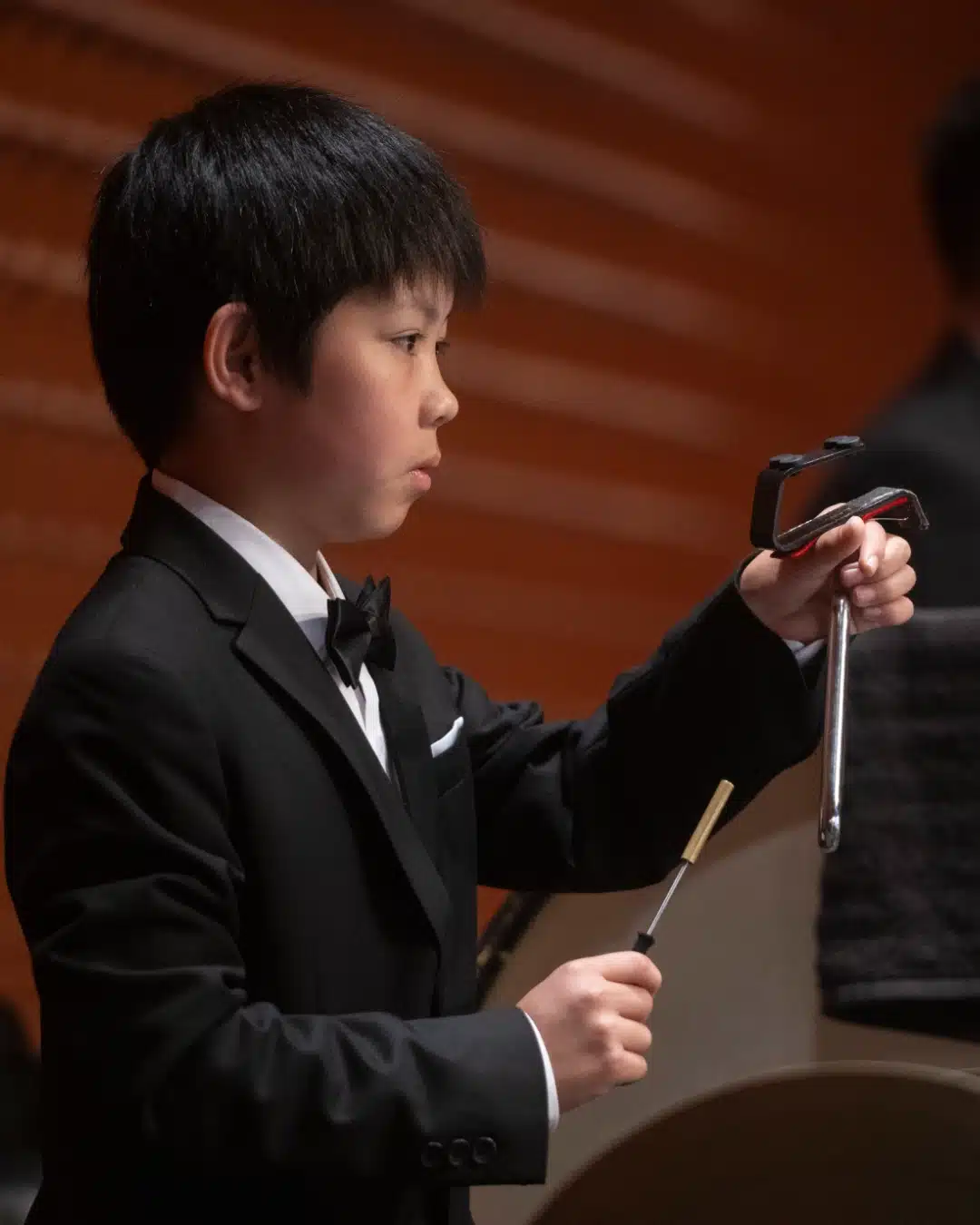
Young COS student playing percussion in concert dress
How COS teaches

How is COS different from private music lessons?

Private lessons teach an instrument one to one. At COS, children also play with other children every week, in an orchestra and a chamber group.
Dr. Ma did not make beginners wait until they could keep up. He wrote a separate part for each child, so a beginner and an advanced player could rehearse the same piece side by side. A child who could play one note got a part with one note in it. COS still teaches this way. Read about the method.
Many COS families keep a private teacher as well. The teacher works on technique during the week, and the child uses it in rehearsal on Saturday.
He came to America and found that American kids don’t practice so much, so he decided to put them in an orchestra. When you practice by yourself it’s kind of boring and you don’t really see the point of it. Whereas if you play in a group, the ones who are just beginning are motivated to imitate and look up to the ones who are ahead of them.
Dr. Yeou-Cheng Ma on her father, from the COS 50th Anniversary film

COS and private lessons, side by side

Compared At COS Private lessons only
Playing with other children Every week, in an orchestra and a chamber group Only if arranged separately
One-to-one technique work Through ITAP and optional private lessons Every lesson
Theory and ear training Musicianship classes on the same Saturday Depends on the teacher
Performances A winter and a spring concert every season Studio recitals, if the teacher holds them
How the level is set Audition, with a move-up audition every semester The teacher decides
2026-27 cost $795 to $1,400 per season for an orchestra Set by each teacher
Programs

Programs by age and level

Each child auditions and is placed in one of five orchestras, then adds ensembles and classes around it. A child can be a beginner in one room and advanced in another on the same Saturday.
Young Mallets & Bars students playing bamboo percussion instruments

Mallets & Bars

Where children start before they can read music. Rhythm comes first, and the first thirty minutes run inside Kinder Orchestra.
Kinder Orchestra students in white shirts holding their violins and cellos

Kinder Orchestra

Young beginners learn to play together in a full ensemble, with parts written for their level.
Sinfonia Orchestra students playing violin and cello in rehearsal

Sinfonia Orchestra

Developing players take on fuller orchestral repertoire.
The Young Symphonic Ensemble performing with its conductor

Young Symphonic Ensemble

The most advanced orchestra. It performs each season at Alice Tully Hall, Lincoln Center.
Wind Symphonic Ensemble students holding clarinet, flute, trumpet, bassoon and trombone

Wind Symphonic Ensemble

Woodwind and brass players get an ensemble of their own alongside the orchestras.
Percussion Ensemble students playing marimba

Percussion Ensemble

Percussion taught as its own discipline, with an ensemble of its own.
Also on Saturdays: Pre-Kinder, the Junior Symphonic Ensemble, Chamber Music, the Elite String Ensemble, Musicianship, ITAP, the Majors Program and private lessons. The audition decides where your child fits, and the Saturday timetable shows how the day runs.
Outcomes

What happens to children who study at COS?

COS followed 673 of its students between 1984 and 2025. Every one went on to college, and one in four was admitted to an Ivy League school.
673
Students tracked from 1984 to 2025
100%
Went on to college
25%
Admitted to Ivy League institutions
4 of 10
Faculty are COS alumni who came back to teach
Alumni include cellist Yo-Yo Ma, Astrid Schween of the Juilliard Quartet, violist Jordan Bak and former U.S. Ambassador Caroline Kennedy. Most COS students end up outside music, in fields like medicine, broadcasting, diplomacy and law. See the full outcomes and college list.
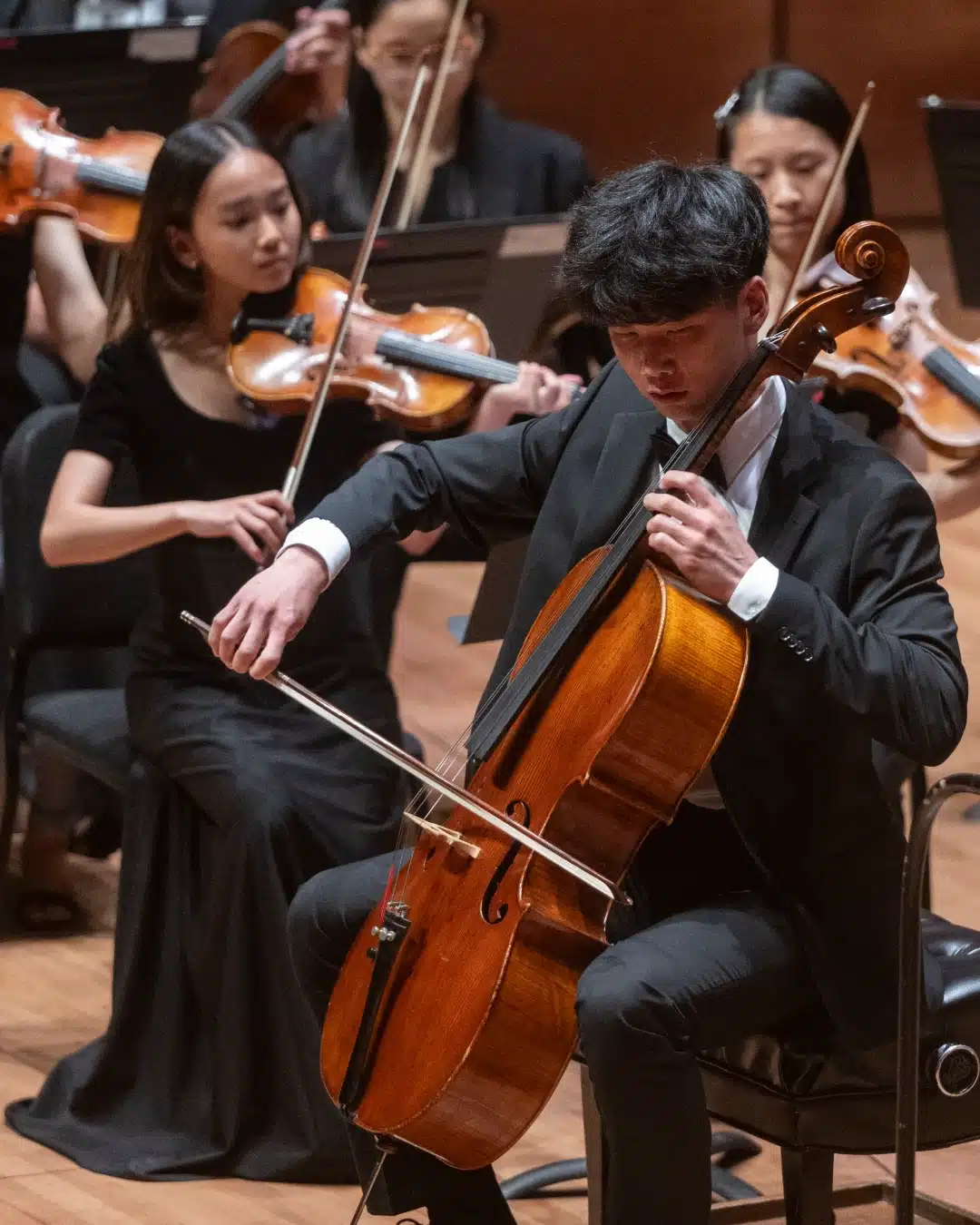
COS cellist performing with the Young Symphonic Ensemble at Lincoln Center
A Young Symphonic Ensemble cellist at Lincoln Center.
From COS parents

What parents say

Having my daughter be part of the Children's Orchestra Society has been a life changing experience. We have found the highest quality of musicianship while still maintaining a family atmosphere, unusual in youth orchestras.
Jane H.
COS parent, Google review
I drive my son 3 hours each way from Upstate NY every Saturday because my son is able to have opportunities and education he cannot get anywhere else. He decided this for himself after seeing what the environment is like.
COS parent
Traveling from Upstate New York
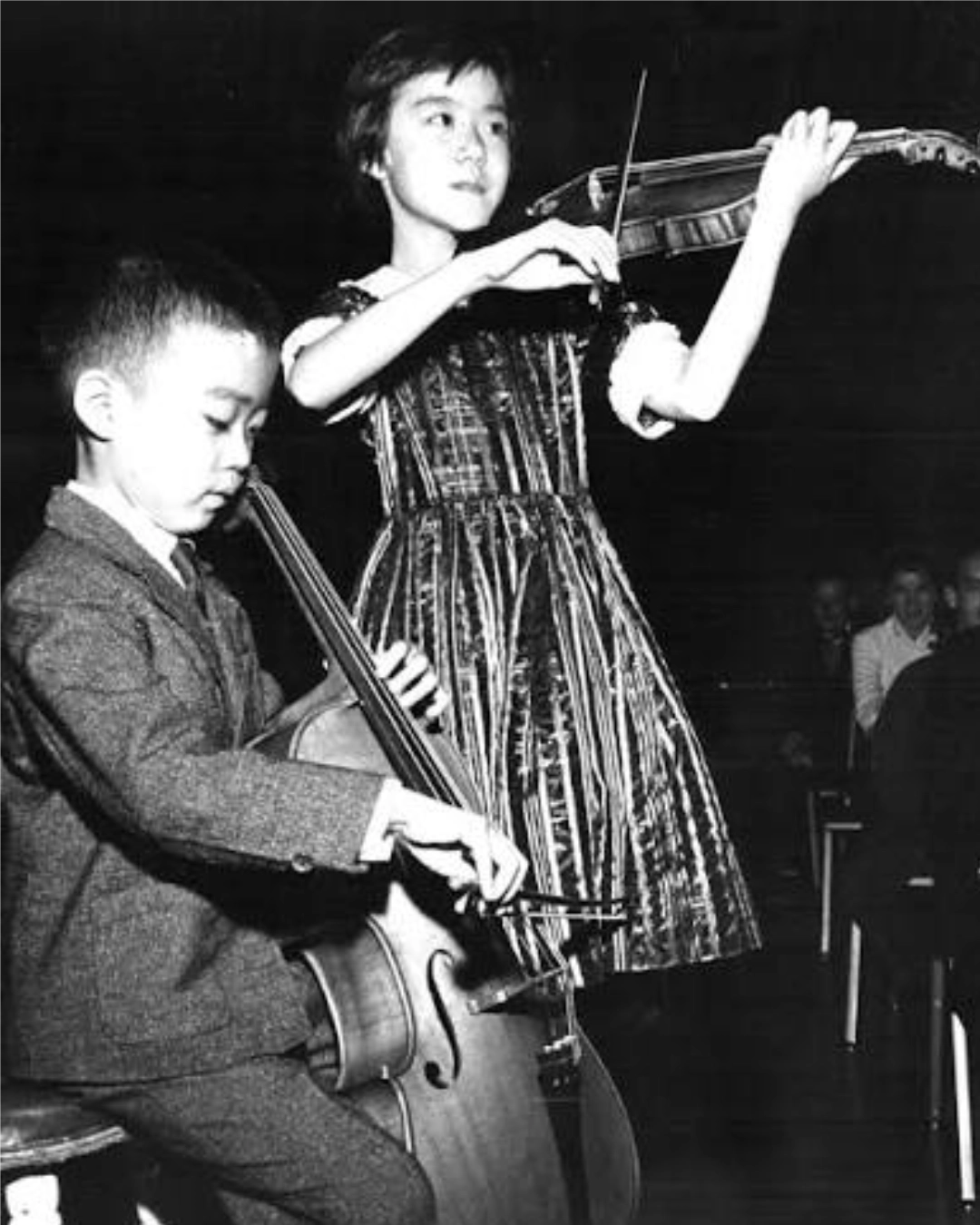
Yeou-Cheng Ma on violin and Yo-Yo Ma on cello as children, two of the first COS students
Yeou-Cheng and Yo-Yo Ma, two of the first COS students.
History

57 years of teaching, since 1962

COS has taught children for 57 years: 15 under its founder, Dr. Hiao-Tsiun Ma, from 1962 to 1977, and 42 since his daughter Dr. Yeou-Cheng Ma and Michael Dadap restarted it in 1984.
The orchestra was dormant for the seven years in between, which is why COS counts 57 years of teaching rather than 64 calendar years. The restart began with $2,500 and eighteen students.
Milestone
Year
Founded in New York by Dr. Hiao-Tsiun Ma
1962
Dr. Ma retires and the orchestra goes dormant
1977
Restarted by Dr. Yeou-Cheng Ma and Michael Dadap
1984
Discovery Concert Series begins at Alice Tully Hall
1995
Carnegie Hall debut
2007
Named Best Music School/Classes, 2022 Herald Long Island Choice Awards
2023
Tuition and aid

How much does COS cost?

For the 2026-27 season, orchestra tuition runs from $795 for Pre-Kinder to $1,400 for the Junior and Young Symphonic Ensembles. Fees are kept below what the program costs to run, and no child is turned away for financial reasons.
Financial aid is awarded on need together with musical commitment, and asking for it never affects a child's audition or placement. A child who chooses viola as a primary or secondary instrument can study on a full scholarship through the Catherine L. Bowers Viola Scholarship. Scholarship seats are limited.
See every fee or read about the scholarship fund.
2026-27 orchestra
Season
Pre-Kinder
$795
Kinder Orchestra
$1,190
Sinfonia
$1,300
JSE and YSE
$1,400
Location

Where is COS, and who travels there?

COS meets every Saturday at the Community Church of Syosset, 36 Church Street, Syosset, NY 11791, in Nassau County.
Most families come from Long Island and New York City, and some drive in from New Jersey, the Hudson Valley and Connecticut. Classes run from noon to 7:30 PM, but a child attends only what they are enrolled in, so most families are in the building for two or three hours. Siblings in different ensembles share one trip. The 2026-27 season runs from September 19, 2026 to June 12, 2027. More for traveling families.
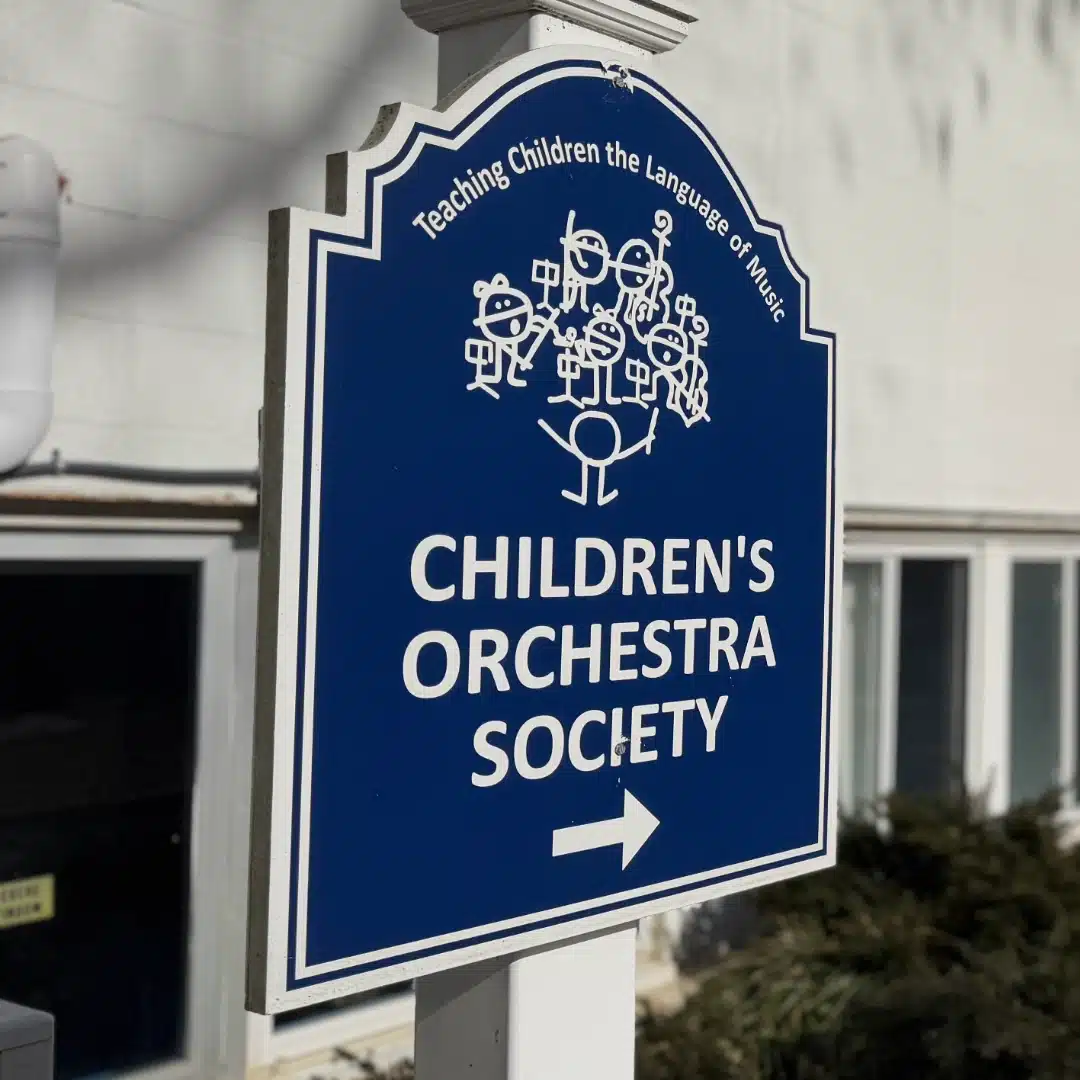
Children's Orchestra Society sign at the Community Church of Syosset
Getting started

How does a child join COS?

Every new student starts with an audition, and faculty use it to choose the ensemble that suits your child.
Step 1
Apply online
The application takes about five minutes. Tell COS about your child, their instrument and their experience, including none at all.
Step 2
Audition in Syosset or online
Your child plays whatever they have, and COS faculty hear where they are and how they learn.
Step 3
Start on a Saturday
Faculty recommend a placement, and your child joins an ensemble straight away. Every new student performs twice in the first season.
Questions parents ask

Frequently asked questions

What age can a child start at COS?

Children can start at age 3 in Pre-Kinder, and students stay through their senior year of high school.

Does my child need to read music or have experience?

No. Mallets & Bars is built for children who cannot yet read music, and beginners on any instrument are placed in an ensemble at their level.

Is there an audition, and can a child be turned away?

Every new student auditions, in Syosset or online. The audition is used for placement, and COS does not turn children away for their level.

Which instruments does COS teach?

Strings, woodwinds, brass and percussion, through the orchestras and ensembles. Pianists and guitarists can join chamber music.

How much does it cost, and is financial aid available?

Orchestra tuition for 2026-27 runs from $795 to $1,400 a season. Need-based financial aid and a full viola scholarship are available, and asking for aid does not affect placement.

How many hours a week does it take?

Everything happens on Saturday between noon and 7:30 PM, and most students are there for two or three hours of it.

Does studying at COS help with college admissions?

Among the 673 graduates COS tracked from 1984 to 2025, all went on to college and 25% were admitted to Ivy League schools.
More answers on the enrollment page. Page last updated November 21, 2026.

Bring your child to an audition.

Beginners and advanced players are both welcome, and pianists and guitarists can join chamber music. Faculty listen to your child play and suggest a Saturday schedule that fits.
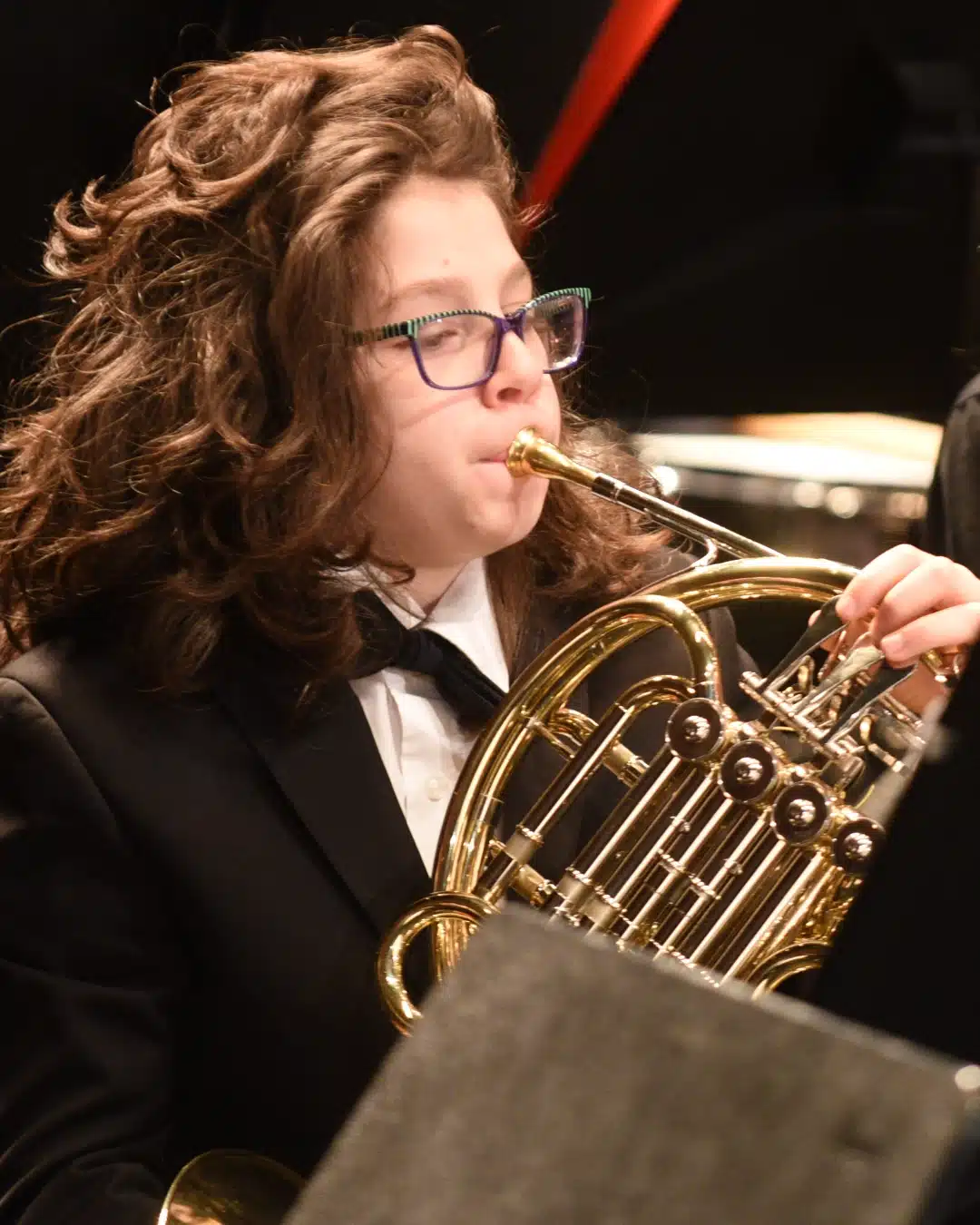
COS student playing French horn in concert